


A good fence does much more than mark where your property ends. It can create privacy, improve security, define outdoor areas and give a tired-looking yard a surprisingly sharp makeover. But before you order panels and start digging holes, there is more to property fencing than choosing a colour from a catalogue.
For homeowners in Berry, the right fence needs to work with the property, surrounding landscape, local conditions and your long-term plans. I always recommend treating the fence as part of the overall property rather than an afterthought. A beautiful fence in the wrong position can create headaches, while a well-planned fence can quietly solve several problems at once.
If you are planning a new boundary or replacement fence, you can explore ALPM Plumbing & Maintenance to learn more about available property maintenance services.
1. Start With the Property Boundary
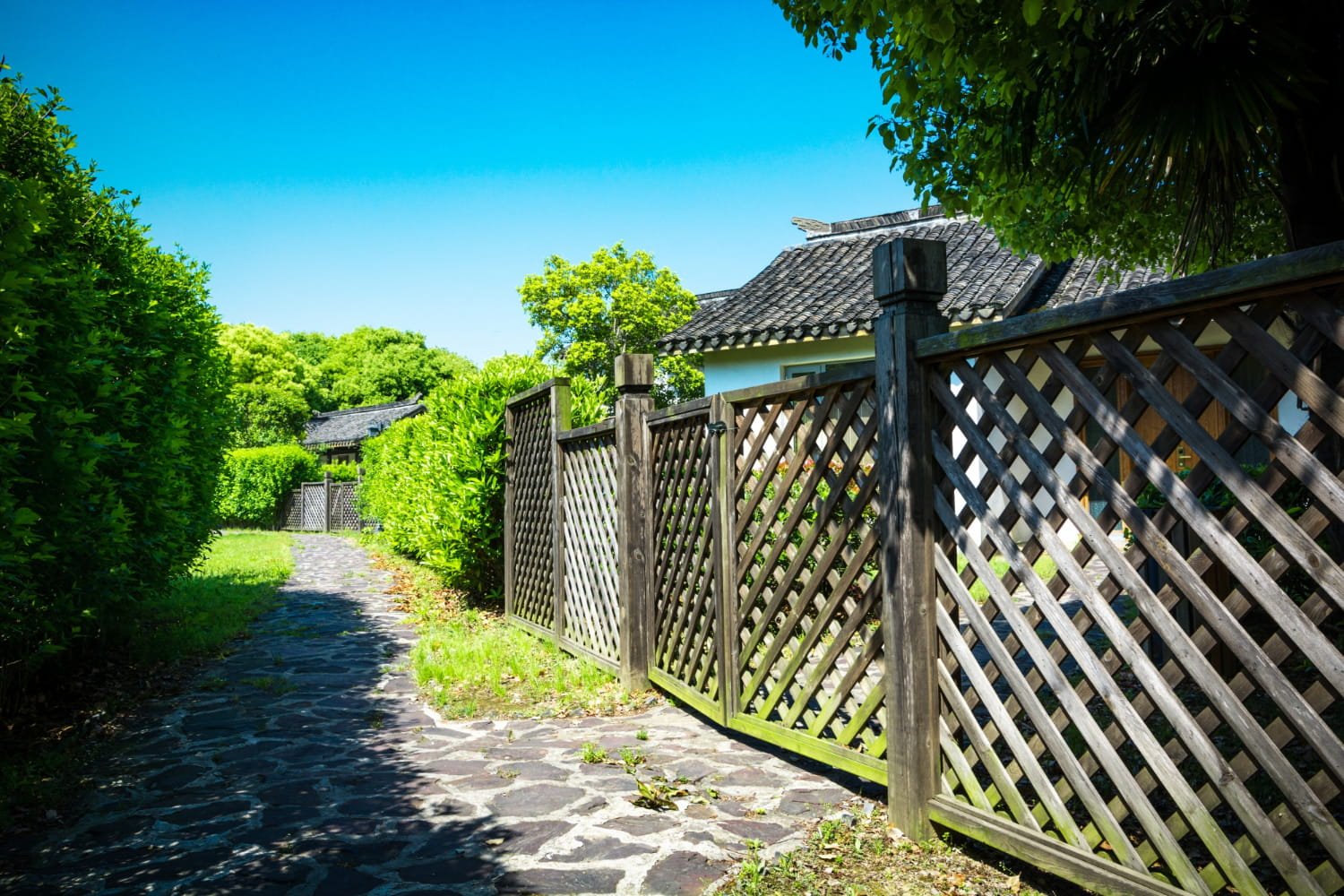
The first step in property fencing is confirming exactly where the boundary sits. It sounds obvious, but a fence should not rely on guesswork, an old garden edge or the location of a previous fence. Older properties can have boundaries that are not immediately obvious, particularly after landscaping, renovations or changes to neighbouring properties.
In Berry, you should discuss the proposed fence with your neighbour when the fence sits along a shared boundary. If there is uncertainty about the legal boundary, professional advice or a registered surveyor may help establish the correct position before work begins. NSW Legal Aid explains that owners can use a Boundary Notice process where neighbours cannot agree on the location of a common boundary.
This matters because property fencing placed even slightly in the wrong location can create an unnecessary dispute. Getting the boundary right before installation is far cheaper and easier than moving a completed fence later.
2. Think About What the Fence Actually Needs to Do
Before choosing a style, ask a simple question: What job do I need this fence to perform? Property fencing can provide privacy, security, separation between outdoor areas, pet containment or simply a clear property boundary.
A front boundary might prioritise appearance and street presentation, while a backyard fence may focus on privacy and security. A pool area has entirely different safety requirements again. Treating every section of the property identically can make the finished result less practical.
For example, a lightweight decorative fence may look fantastic at the front but provide little privacy in a backyard. Conversely, a tall solid fence may offer excellent privacy but feel visually heavy in a small front garden. Good fence planning Berry homeowners can use starts with identifying the purpose of each section.
3. Choose the Right Fencing Material
Material selection plays a major role in the performance and appearance of property fencing. Timber can create a warm, natural look and suit traditional or rural-style properties, while metal fencing can provide a more contemporary appearance with relatively low ongoing maintenance.
Colourbond-style steel fencing remains popular for homeowners seeking privacy and a clean modern finish. Timber, meanwhile, gives you more flexibility with finishes, profiles and staining. Masonry can create a substantial architectural appearance but generally requires more planning and construction work.
The right choice depends on your budget, desired appearance, maintenance expectations and the conditions around your property. For durable property fencing, I would always consider the entire lifecycle rather than simply comparing the purchase price.
| Material | Typical Strength | Maintenance | Suitable For |
| Timber | Good | Moderate | Natural and traditional designs |
| Steel | High | Low to moderate | Privacy and modern homes |
| Aluminium | Good | Low | Lightweight contemporary fencing |
| Masonry | Very high | Low | Premium, substantial boundaries |
| Composite | Good | Low | Modern low-maintenance designs |
The cheapest option is not automatically the most economical. A material that requires frequent repairs or refinishing can cost more over the years.
4. Consider Privacy Without Making the Yard Feel Closed In
Privacy fencing Berry homeowners choose should provide enough separation without making outdoor spaces feel boxed in. Height, panel design, spacing and landscaping all influence how private a fence feels.
A fully solid fence creates strong visual separation, which can work beautifully around entertaining areas or overlooked backyards. However, a partially open design may suit front gardens or properties where you still want natural light and airflow.
You can also combine fencing with planting. Screening plants, climbers and carefully positioned trees can soften a fence while adding another layer of privacy. The result feels more like a landscaped garden and less like a giant rectangle dropped into the yard.
When planning property fencing, think about the view from inside the home as well. Your fence will become part of the daily landscape, so it should look good from the kitchen window, living room and outdoor entertaining area—not just from the street.
5. Check Local Rules and Safety Requirements
Regulations can influence where and how property fencing can be installed. NSW planning requirements cover certain fences as exempt development, but the applicable standards can depend on factors such as zoning, location and fence type.
For example, NSW Planning Portal guidance states that certain residential fences may qualify as exempt development when they meet specified height and other requirements. Side and rear boundary fences in relevant residential zones can generally be up to 1.8 metres under those provisions, while fences along road boundaries may have lower height limits.
Pool fencing deserves particular attention. If your property fencing forms part of a swimming pool barrier, different safety requirements apply, including requirements around height, gaps, gates and climbable zones. NSW Government guidance confirms that pool owners must maintain compliant child-resistant barriers.
Always check the requirements that apply to your particular property before starting work. Rules can vary according to the site’s zoning, location and circumstances.
6. Plan for Gates, Access and Everyday Use
A fence can look fantastic on paper but become annoying if the gate is in the wrong place. Think about how people, vehicles, bins, garden equipment and pets will move around the property before finalising the design.
A driveway gate needs enough clearance for vehicles, while a pedestrian gate should provide comfortable everyday access. If you regularly move a mower, trailer or large garden equipment through the yard, make sure the access point can handle it.
Gate swing direction also matters. Avoid positioning a gate where it blocks a pathway, collides with landscaping or creates an awkward pinch point. These details may sound small, but you notice them every single day.
For larger properties, it can make sense to have separate pedestrian and vehicle access. This creates a more organised layout and reduces the temptation to leave a large driveway gate open simply because walking through it is inconvenient.
7. Consider Drainage, Ground Levels and Existing Landscaping
Ground conditions can significantly affect a new fence. A level-looking garden may actually contain subtle slopes, retaining walls or drainage paths that become obvious once installation begins.
During property fencing planning, consider how water moves through the yard. You do not want to accidentally obstruct an existing drainage path or create a situation where water sits against posts and materials.
Existing trees also require careful thought. Large roots can make excavation difficult, while future growth can eventually interfere with the fence. Rather than squeezing a fence between a tree and another structure, consider whether a small design adjustment could create a better long-term solution.
Professional fence installation Berry homeowners use should account for these site conditions before installation begins. A proper site assessment can identify potential issues early and help prevent expensive changes later.
Should You Repair or Replace Existing Property Fencing?
Not every damaged fence needs complete replacement. Sometimes a few posts, panels or rails can be repaired, particularly when the majority of the structure remains sound.
However, widespread leaning, rotten timber, rusted components, unstable posts or repeated repairs may indicate that replacement makes more financial sense. Continuing to patch an ageing fence can become a classic case of spending money to delay the inevitable.
When assessing property fencing, look at the structure as a whole. If the posts have lost stability or the foundation has deteriorated, replacing individual panels may only provide a temporary cosmetic improvement.
A professional inspection can help you compare repair and replacement options without automatically assuming you need an entirely new fence.
Property Fencing and Neighbour Agreements
Shared boundary fencing can involve more than just construction. You also need to consider communication with your neighbour, especially when both properties rely on the same dividing fence.
The NSW Dividing Fences Act framework deals with dividing fences between adjoining properties, and disputes can arise when owners disagree about the boundary, proposed work or contributions. Legal Aid NSW recommends addressing boundary uncertainty before fencing work proceeds.
If you and your neighbour agree on the fence style, position and proposed work, putting the agreement in writing can prevent confusion later. It is much easier to enjoy your new fence when nobody is arguing about who approved what.
Remember that a premium fence design requested by one owner may not necessarily represent the standard contribution expected for a basic dividing fence. Discuss the scope clearly before committing to the work.
How Much Should You Budget for a New Fence?
The cost of property fencing varies according to length, material, height, access, ground conditions, gates and the complexity of the installation. A short, straightforward fence on level ground can have a very different price from a long boundary with difficult access and multiple changes in level.
Material prices also vary considerably. Timber may offer an attractive starting point, while premium steel, masonry or customised designs can increase the overall investment.
Rather than choosing purely on the lowest quote, compare what each quote actually includes. Check whether removal of the old fence, disposal, posts, gates, difficult excavation and finishing work are included.
A clear quotation makes it easier to compare professional fencing services Berry homeowners are considering and reduces the chance of unexpected costs halfway through the project.
Why Professional Installation Can Make a Difference
A fence may appear simple: posts, panels and a gate. In reality, good installation requires accurate measurements, correct post positioning, suitable foundations and careful attention to ground conditions.
Professional fencing contractors understand how different materials behave and how site conditions affect the finished fence. They can also identify practical problems before installation begins, such as difficult access, drainage concerns or uncertain boundary positions.
For new fence installation Berry properties, professional workmanship can also improve the final appearance. Straight lines, consistent heights and properly aligned gates make a fence look intentional rather than improvised.
NSW Government guidance confirms that fencing is classified as trade work and that licensing requirements can apply to residential fencing work above specified contract values.
A Simple Pre-Installation Checklist
Before approving your property fencing project, I recommend checking these essentials:
- Confirm the property boundary.
- Discuss shared fencing with your neighbour.
- Decide whether privacy, security or appearance matters most.
- Select a material suited to your property and maintenance expectations.
- Check applicable council and NSW requirements.
- Plan gate locations and access.
- Identify drainage, slopes, trees and underground services.
- Compare detailed quotes rather than headline prices.
- Confirm who handles old fence removal and disposal.
- Agree on the final design before installation begins.
This simple preparation can save considerable time later.
Conclusion
Good property fencing starts long before the first post goes into the ground. By confirming the boundary, defining the purpose of each fence section, choosing an appropriate material, considering privacy, checking local requirements and planning gates and ground conditions, you can create a fence that looks good and works properly for years. Careful preparation also helps avoid the common headaches that turn a simple fencing project into a much bigger job.
If you are planning property fencing in Berry and want practical advice on your next project, ALPM Plumbing & Maintenance can help you understand the work involved and plan the installation around your property. Contact ALPM Plumbing & Maintenance to discuss your fencing requirements and take the next step towards a secure, practical and well-finished boundary.
FAQs
1. What type of property fencing is best for a Berry home?
There is no single best option for every property. Timber, steel, aluminium, composite and masonry can all work depending on privacy requirements, appearance, budget, maintenance and site conditions. The best choice should match the job the fence needs to perform.
2. How high can a residential fence be in Berry?
Fence height can depend on location, zoning and the type of fence. Some residential fences may qualify as exempt development when they meet NSW requirements, but road boundaries and other locations can have different standards. Check the applicable planning rules before installation.
3. Do I need my neighbour’s agreement for a boundary fence?
If the fence sits on a shared boundary, communication with your neighbour is important. NSW dividing fence laws can apply to shared fencing, including issues around sufficient fencing and contributions. If you cannot agree on the boundary or proposed work, formal processes may be available.
4. What is the most durable fencing material?
Durability depends on the material, installation quality, exposure and maintenance. Steel and masonry can provide strong long-term performance, while properly maintained timber can also last well. Choosing a material suited to the site matters as much as the material itself.
5. Can I install privacy fencing around my entire property?
You may be able to use privacy fencing in many areas, but height, location, zoning and planning requirements can affect what you can install. Front boundaries and road-facing fences can have different requirements from side and rear boundaries.
6. How long does a new fence installation take?
The timeframe depends on fence length, material, access, ground conditions, removal of an existing fence and the number of gates. A straightforward project can move quickly, while difficult terrain or extensive preparation can add time.
